
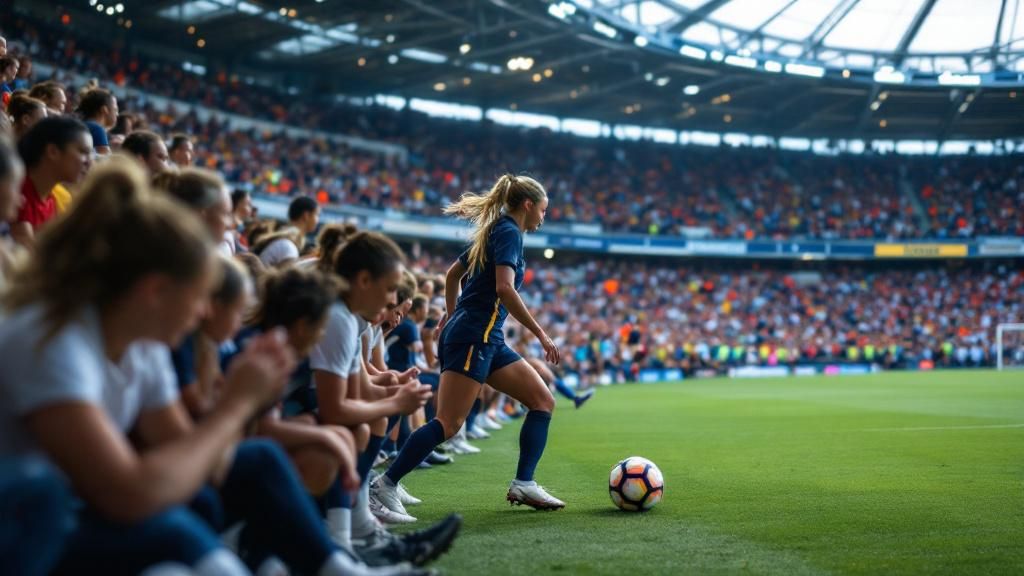
Women’s football has achieved unprecedented heights, breaking viewership figures and engaging spectators across the globe. From full grounds to sold-out matches, the sport is undergoing a remarkable surge in popularity that shows no signs of slowing down. This article explores the impressive expansion path of women’s football, examining the landmark statistics that demonstrate the sport’s growing audience, the forces behind this renaissance, and what this momentum means for the future of women’s athletics.
Rising Attendance and Audience Participation
Women’s football has experienced an remarkable surge in attendance figures, with stadiums across Europe and beyond recording never-before-seen attendance figures. The 2023 UEFA Women’s Champions League final drew over 62,000 supporters at the PSV Stadion in Eindhoven, whilst national competitions have similarly reported significant increases in match-day crowds. These impressive numbers represent a major transformation in how audiences interact with women’s sport, proving that substantial commercial viability and genuine fan enthusiasm now support the women’s game.
The engagement reaches far beyond match attendance, with broadcasters revealing record TV viewership and streaming figures. Social media platforms have become dynamic spaces where supporters analyse tactics, recognise milestones, and establish bonds with fellow fans. This multi-platform engagement has created a integrated ecosystem around women’s football, nurturing closer ties between clubs and their supporters. The digital transformation has opened up access to matches, allowing fans worldwide to take part in the expanding movement regardless of geographical location or financial constraints.
Clubs have deliberately committed in fan engagement initiatives, acknowledging that fan engagement strongly connects with long-term expansion. Better venue amenities, accessible pricing structures, and local community schemes have made women’s football more readily available to diverse demographics. These initiatives have developed dedicated supporter bases that go further than established fan bases, engaging families and younger viewers with limited football experience. This wider audience base signals a pivotal shift for women’s athletics.
Investment and Business Growth
The extraordinary growth in women’s football attendance has drawn substantial sponsorship funding from broadcasters, sponsors, and club owners globally. Major television networks have significantly increased their coverage of women’s matches, identifying the profitable prospects of this developing landscape. Commercial agreements have thrived, with global brands willing to associate themselves with the sport’s positive momentum. This investment capital has enabled clubs to invest in upgraded grounds, coaching facilities, and player progression schemes, establishing a virtuous cycle of progress and standards that elevates the standard of matches.
Investment firms and venture capitalists now view women’s football as a promising investment opportunity, leading to increased funding for club operations and community development programmes. Prize money for top-tier competitions has escalated dramatically, reflecting the sport’s enhanced commercial value and attracting elite talent from across the world. Broadcasting rights have attracted rising financial commitments, demonstrating broadcaster confidence in audience engagement. This influx of capital has transformed women’s football from a marginalised sector into a flourishing professional business, enabling long-term expansion and providing players with improved wages and career prospects comparable to their male counterparts.
Future Outlook and Difficulties
The trajectory of female football appears remarkably positive, with funding by prominent media companies and sponsorship partners hitting record levels. However, preserving this progress presents considerable challenges. Clubs must balance commercial growth with community-level programmes, ensuring emerging player pathways remain robust. Facility upgrades, including stadium facilities and training grounds, require substantial capital investment. Additionally, wage structures and playing contracts must evolve to retain top talent and reduce departures to better-funded leagues abroad.
- Investment in youth development and community football programmes
- Expansion of broadcast licences across numerous international broadcasters
- Building long-term revenue sources through sponsorship agreements and merchandise sales
- Enhancing stadium infrastructure and facilities throughout top-tier clubs
- Implementing competitive wage structures in order to retain top international performers
Looking ahead, women’s football stands at a crucial crossroads where careful planning and continued investment are necessary. The sport’s regulatory authorities must prioritise fairness in funding, media coverage, and player compensation to guarantee enduring viability. Coordinated action between competition bodies, team organisations, and global governing structures will shape whether present expansion converts to lasting institutional transformation. Success necessitates resolve among interested parties to evolve women’s football from a emerging trend into a comprehensively recognised, professionally valued athletic organisation worldwide.
